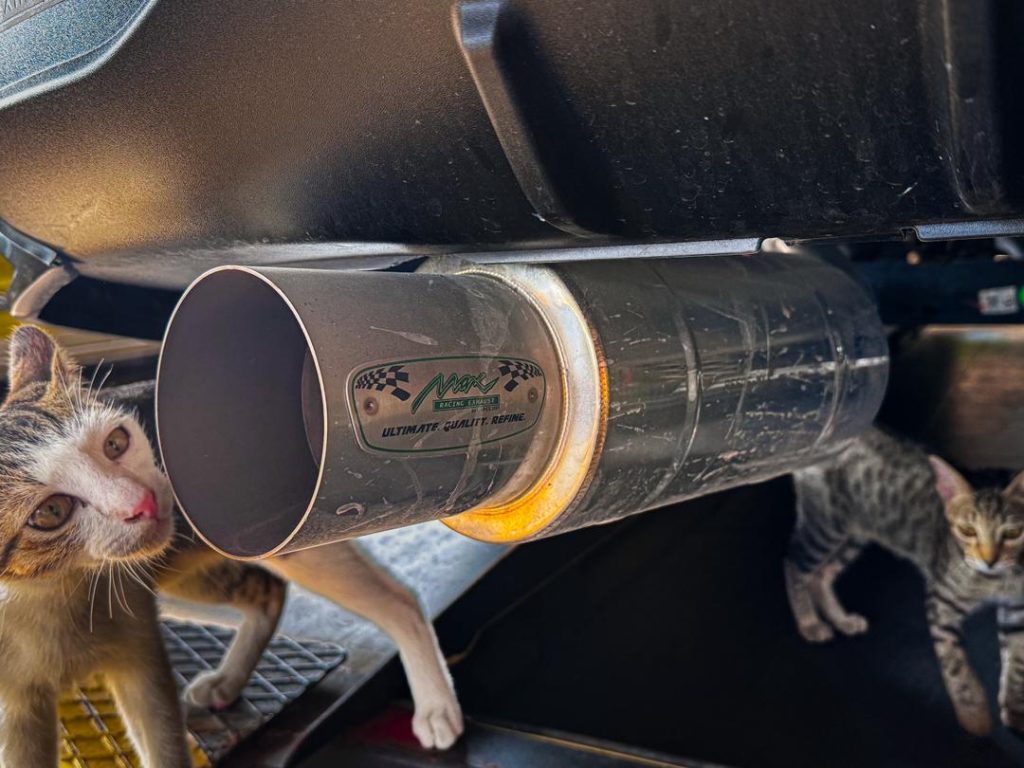
You’ve just spent your weekend perfecting your car’s exterior. The paint is meticulously corrected, the vinyl wrap is flawless, the windscreen has a fresh hydrophobic coating, and the rims are spotless. But then you walk around to the back, and there it is: a dull, yellowish-brown haze creeping over your premium exhaust tips.
It’s incredibly frustrating. You invested in a high-quality stainless steel exhaust system, so why are the muffler, resonator pipes, and tailpipes starting to corrode?
Let’s break down the science behind stainless steel discolouration, how to restore that mirror finish like a pro, and the preventive measures you can take to keep your Max Racing Exhaust products looking as aggressive as they sound.
The Myth of “Rust-Proof” Stainless Steel
First, let’s clear up a common misconception: stainless steel is “stain-less,” not “stain-free.”
High-quality stainless steel (like the premium 304 and 409 grades used in Max Racing Exhaust mufflers and resonators) contains chromium. When exposed to oxygen, chromium forms a microscopic, invisible layer of chromium oxide that protects the underlying steel from rust. However, the extreme environment underneath your car can compromise this protective barrier.
Here is what causes that surface corrosion:
Extreme Heat Cycling: Resonators and mufflers endure intense, fluctuating temperatures. This constant heating and cooling can cause the chromium oxide layer to weaken, leading to a golden-brown discolouration known as “heat tint” or oxidation.
Contamination & Road Grime: Tar, brake dust, road salts, and even hard water from puddles bake onto the hot metal. If left unwashed, these contaminants trap moisture against the steel, eating away at the protective layer.
Carbon Buildup: Tailpipes bear the brunt of exhaust gases. Unburnt fuel and carbon deposits coat the inside and lip of the tips, creating an acidic environment that promotes pitting and surface rust.
Cross-Contamination: If a mechanic or DIYer uses a standard steel wire brush or steel wool on a stainless pipe, microscopic carbon steel particles embed into the stainless surface. Those particles will rust instantly.
How to Maintain and Restore Your Exhaust (The DIY Detailer’s Method)
If your tailpipes are looking dull, don’t panic. Surface oxidation is easily reversible with the right elbow grease. Treat your exhaust just like you treat your clear coat—with patience and the right chemicals.
Step 1: The Deep Clean Wait until the exhaust is completely cool. Spray a dedicated iron remover (the same stuff you use on your wheels) or an all-purpose cleaner (APC) over the tailpipes and exposed mufflers. Let it dwell to break down the carbon and road film, then agitate with a soft detailing brush. Rinse thoroughly.
Step 2: The Metal Polish Grab a high-quality metal polish (pastes or liquids work fine). Apply a dime-sized amount to a microfiber applicator pad. Work the polish into the stainless steel using firm, circular motions. You’ll notice the pad turning black—this is normal; it’s the oxidation being lifted away.
Step 3: Heavy Duty Restoration (If Necessary) If the heat tint or carbon is baked on hard, upgrade your abrasive. Use #0000 grade (ultra-fine) steel wool or a fine scuff pad lubricated with your metal polish. Pro-Tip: Always rub in the direction of the metal’s grain (usually around the circumference of the pipe) to avoid introducing micro-scratches.
Step 4: Buff to a Shine Take a clean, dry microfiber towel and buff away the remaining polish residue. Your Max Racing tailpipes should now have that factory-fresh, mirror-like gleam.
Preventive Measures: Keeping It Pristine You wouldn’t leave your car’s paint unprotected, so don’t leave your exhaust bare.
Ceramic Coating: After polishing, apply a high-temp ceramic metal coating to the tailpipes and visible muffler sections. This adds a sacrificial barrier that makes carbon wipe off effortlessly during your weekly wash and prevents road salts from touching the bare metal.
Regular Washes: When you wash your car, dedicate a separate mitt and wash bucket specifically for your exhaust tips. Make cleaning them a mandatory part of your detailing routine.
Invest in Quality from the Start: The best preventive measure is starting with premium materials. Max Racing Exhaust products are engineered with high-grade stainless steel and precision TIG welding to ensure maximum durability against the elements. A well-built system resists structural corrosion, meaning any rust you see is strictly on the surface and easily polished away.
The Bottom Line
Surface corrosion on your exhaust is a normal reality of driving, but it doesn’t have to be permanent. With a solid metal polishing routine and a little preventive care, your exhaust system will continue to be the perfect visual and auditory centrepiece of your build.